
Industrial facilities face rising energy costs and tighter efficiency targets. Climate control systems sit at the center of this challenge. They run for long hours and carry heavy loads. Small inefficiencies quickly scale into large expenses. Smart cost optimization does not mean cutting corners. It means improving performance, extending equipment life, and reducing waste through deliberate strategies.
Energy Audits And Performance Benchmarking
A detailed audit reveals where money leaks out. It maps energy consumption across chillers, air handlers, and duct systems. Benchmarking compares current performance with industry standards. This exposes underperforming units and outdated practices. Even minor calibration errors can increase energy use by double digits. Regular audits create a baseline for improvement. They also help prioritize upgrades with the highest return.
Preventive HVAC Service Strategies
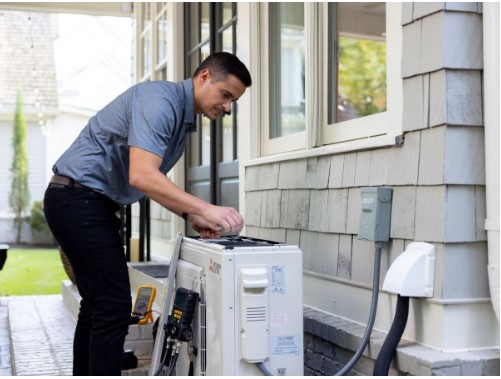
Routine hvac service refers to scheduled inspection, cleaning, and maintenance of heating, ventilation, and air conditioning systems to keep them running efficiently. Preventive strategies reduce unexpected breakdowns and costly emergency repairs. Filters stay clean, coils remain efficient, and airflow stays balanced. This lowers energy demand and improves system lifespan. Skipping maintenance may save money short term, but costs surge later due to failures and inefficiency, making hvac service a core cost control measure.
Smart Controls In Commercial HVAC Services
Commercial hvac services involve large-scale climate control solutions designed for industrial or business environments, focusing on efficiency, scalability, and reliability. Smart controls are transforming these systems. Sensors track temperature, occupancy, and humidity in real time. Automation adjusts output based on demand. This avoids overcooling or overheating empty spaces. Cloud-based systems provide data insights and predictive alerts. These features reduce energy waste and improve operational precision, which is why smart integration is central to commercial hvac services.
Equipment Upgrades With HVAC Service Planning
Modern equipment is more efficient by design. Variable speed drives, high-efficiency compressors, and advanced heat exchangers reduce energy consumption. However, upgrades should follow a structured hvac service plan. This ensures compatibility with existing systems. It also avoids overspending on unnecessary replacements. Phased upgrades spread costs over time while delivering steady improvements. Strategic planning maximizes return on investment without disrupting operations.
Load Management In Commercial HVAC Services Systems
Industrial demand fluctuates throughout the day. Peak loads often drive higher energy costs. Load management balances system output with actual requirements. Zoned cooling is one effective method. It directs airflow only where needed. Thermal storage systems can shift energy use to off-peak hours. This reduces demand charges. Skilled commercial hvac services providers design systems that adapt dynamically. This approach cuts costs without sacrificing comfort or productivity.
Airflow Optimization Through HVAC Service Maintenance
Airflow inefficiency is a hidden cost driver. Leaky ducts, blocked vents, and poor design reduce system effectiveness. HVAC service maintenance addresses these issues. Sealing ducts and optimizing layouts improve distribution. Balanced airflow reduces strain on equipment. This leads to lower energy use and fewer repairs. Even simple adjustments can deliver noticeable savings over time.
Data-Driven Decisions In Commercial HVAC Services
Data is a powerful optimization tool. Monitoring systems collect performance metrics continuously. These include energy use, temperature variation, and equipment runtime. Analysis identifies patterns and inefficiencies. Predictive maintenance becomes possible. Instead of reacting to failures, teams act before issues escalate.
Conclusion
Cost optimization in industrial climate control is a continuous process. It blends technology, maintenance, and smart planning. Energy audits reveal opportunities. Preventive hvac service protects system health. Advanced commercial hvac services bring automation and insight. Together, these strategies reduce waste and improve efficiency. The result is a system that performs better, lasts longer, and costs less to operate over time.