
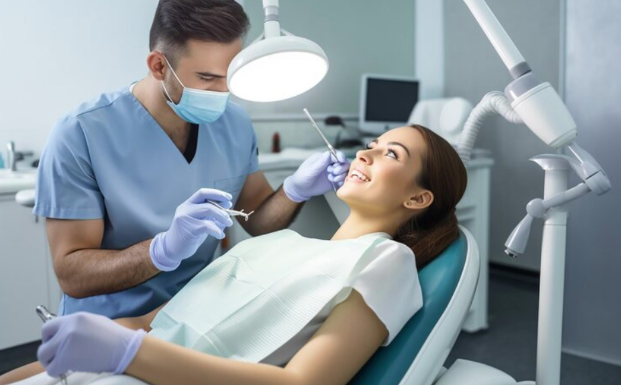
Dental health is a critical aspect of overall well-being, yet many people often overlook it until they experience severe tooth problems. From cavities and tooth decay to gum disease and impacted wisdom teeth, the range of dental issues is vast. Fortunately, modern dentistry offers a plethora of solutions to address these problems effectively, providing both immediate relief and long-term benefits. This article explores contemporary methods for tackling severe tooth problems and highlights options for long-term relief.
Dentist: Ensuring Comprehensive Care
A trusted dentist is indispensable in managing severe tooth problems. Dentists play a vital role in diagnosing and treating various oral health issues, ensuring that patients receive comprehensive care tailored to their specific needs. Whether it’s a routine check-up or a complex dental procedure, a dentist provides the expertise necessary to maintain oral health. Regular visits to the dentist can prevent minor issues from escalating into severe problems, and they can offer personalized advice on maintaining oral hygiene.
Wisdom Teeth Extraction: A Common Solution
Wisdom teeth extraction is a common procedure that many individuals undergo to prevent potential complications. These third molars often emerge in late adolescence or early adulthood, and due to limited space in the jaw, they can become impacted. This impaction can lead to pain, infection, and damage to adjacent teeth. By opting for wisdom teeth extraction, patients can alleviate these issues and prevent future dental complications. The procedure is generally straightforward, and with modern anesthesia techniques, it is relatively painless and ensures a quick recovery.
Dental Implants: A Permanent Solution for Missing Teeth
For individuals who have lost teeth due to decay or injury, dental implants offer a permanent solution. Implants are titanium posts surgically placed into the jawbone, serving as artificial roots for replacement teeth. They provide a sturdy foundation for crowns, bridges, or dentures, ensuring a natural look and feel. Dental implants not only restore functionality but also prevent bone loss in the jaw, a common consequence of missing teeth. This solution is highly durable, with proper care allowing implants to last a lifetime.
Root Canal Therapy: Preserving Natural Teeth
When tooth decay reaches the pulp, the innermost part of the tooth containing nerves and blood vessels, it can cause significant pain and infection. Root canal therapy is a procedure designed to save the natural tooth by removing the infected pulp and sealing the tooth. This treatment alleviates pain and prevents the need for extraction, allowing patients to retain their natural teeth and maintain their oral health. Advances in dental technology have made root canal therapy more efficient and less painful, with high success rates.
Orthodontics: Correcting Misalignment
Orthodontic treatment is essential for individuals with misaligned teeth or bite issues. Braces and clear aligners, such as Invisalign, are popular orthodontic solutions that gradually move teeth into the desired position. Proper alignment not only improves aesthetics but also enhances oral function and prevents problems like uneven wear and jaw pain. Modern orthodontics offers more comfortable and discreet options, making it accessible to people of all ages seeking a healthier, more attractive smile.
Periodontal Treatment: Addressing Gum Disease
Gum disease, or periodontal disease, is a common but serious condition that can lead to tooth loss if left untreated. It results from bacterial infection and inflammation of the gums, often due to poor oral hygiene. Periodontal treatment involves scaling and root planing to remove plaque and tartar buildup below the gum line, allowing the gums to heal and reattach to the teeth. In more advanced cases, surgical interventions may be necessary. Early detection and treatment of gum disease can prevent its progression and safeguard oral health.
Preventive Care: A Long-Term Strategy
Prevention is the cornerstone of long-term oral health. Regular dental check-ups, good oral hygiene practices, and a healthy diet are essential components of preventive care. By brushing and flossing daily, using fluoride toothpaste, and avoiding sugary foods and drinks, individuals can significantly reduce their risk of developing severe tooth problems. Additionally, regular dental visits allow for early detection and management of potential issues, ensuring that oral health is maintained over the long term.
Conclusion
In conclusion, modern dentistry offers a wide array of solutions for severe tooth problems, each tailored to address specific issues and provide long-term relief. From routine preventive care to advanced surgical procedures, these solutions ensure that individuals can maintain healthy teeth and gums throughout their lives. Regular consultations with a qualified dentist are essential in navigating these options and achieving optimal oral health.