
Table of Contents
-
Flexible and Modular Designs
-
Technological Integration
-
Sustainability in Buffet Design
-
Enhancing Customer Experience
-
Case Studies of Innovative Buffet Designs
-
Conclusion
The foodservice industry has entered a new era where efficiency, aesthetics, and guest experience converge to create memorable dining moments. Today’s buffets are no longer static displays of food but are sophisticated, interactive spaces designed to optimize operations and delight customers. Central to these changes is the creative use of food service display solutions, which enhance both functionality and visual appeal in modern buffets.
Innovation in buffet line design centers on adaptability and sustainability as operators strive to meet the demands of a diverse and ever-changing audience. From modular systems and advanced technology to eco-friendly materials and interactive features, new concepts are transforming the way food is presented and experienced.
Flexible and Modular Designs
Flexibility stands at the forefront of modern buffet line innovation. Foodservice operators are increasingly adopting modular systems that allow for seamless reconfiguration. Whether accommodating different event sizes, changing menus, or making the best use of limited space, modular units can be arranged to fit unique requirements. The Nexus System by Bon Chef exemplifies this trend. Its modules connect and disconnect effortlessly, creating customized buffet layouts that enhance flow and efficiency while maintaining a sleek appearance. According to industry resources, these systems also help save valuable labor and time while maximizing customer satisfaction and boosting revenue opportunities.
Operators favor modularity because it also simplifies maintenance and upgrades. Sections of the buffet can be swapped in and out based on the menu or season, keeping the experience fresh and exciting for returning guests. These solutions increase the lifespan of the buffet line and support ongoing innovation without requiring full-scale renovations.
Technological Integration
Technology is transforming foodservice from the kitchen to the customer’s plate. Advanced induction warming systems are a popular asset in modern buffets. They offer precise temperature control, ensuring each dish stays at its peak without drying out or losing flavor. This not only guarantees higher food quality but also supports food safety, a key concern for both guests and operators.
Beyond warming equipment, many operations are using intelligent appliances, such as programmable toasters and multi-lane kitchen lines. For example, Modern Market’s dual-lane kitchen enables simultaneous preparation of in-house and takeout orders, significantly reducing guest wait times and streamlining service. Smart kitchen technologies are now an expectation in new buffet designs, helping restaurants stay ahead in a competitive market. These advances align with trends featured by major industry publications like FoodService Director, which highlight how tech is driving transformation in foodservice environments.
Sustainability in Buffet Design
Eco-conscious design is not just a trend; it is a necessity. Energy-efficient induction and warming systems have become standard in new buffet lines, significantly reducing electricity use. Meanwhile, operators are selecting service ware crafted from recycled materials.WARE’s product line is made from PET bottles. These initiatives demonstrate a commitment to reducing a venue’s environmental footprint, which, according to The New York Times, is increasingly important in attracting conscientious consumers.
Sustainable buffet design goes beyond energy and materials. By rethinking the way food is displayed and replenished, operators can minimize food waste, streamline inventory, and optimize supply chains. This strategic shift not only lowers costs but also strengthens the brand’s reputation and earns loyalty from guests who prioritize sustainability in their dining choices.
Enhancing Customer Experience
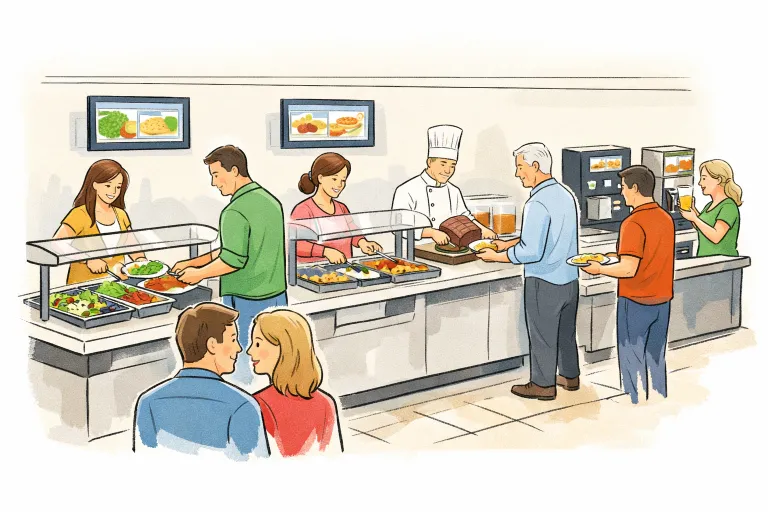
The ultimate goal of buffet design innovation is to delight the customer. Today’s buffet experience features a variety of interactive elements, including live cooking stations where chefs prepare food to order in front of guests. This not only assures freshness but also creates a lively atmosphere that encourages exploration and engagement.
Enhanced presentation plays a core role as well. From elegant lighting and modern buffet islands to multi-purpose mobile bars, every detail supports a holistic, immersive guest experience. Functional furniture, designed with durability and flexibility in mind, ensures smooth traffic flow so guests feel comfortable and valued in every environment. As featured by Bon Appétit, a thoughtfully designed buffet line can become a signature attraction that guests remember and revisit.
Case Studies of Innovative Buffet Designs
Several leading venues highlight the benefits of innovative buffet design. The Rainmaker Buffet at Foxwoods Resort Casino underwent a comprehensive renovation, introducing curved soffits and modular serving stations. This approach provided not only a streamlined and visually captivating layout but also greater flexibility for events and menu changes. These adaptations resulted in increased guest satisfaction and operational efficiency, as reported by industry publications.
Such case studies emphasize that with the right approach to modern buffet line design, foodservice operators can achieve a winning combination of efficiency, flexibility, sustainability, and customer delight.
Conclusion
Innovations in buffet line design are redefining the standard for foodservice operators. By embracing modular and flexible systems, integrating advanced technology, prioritizing sustainability, and focusing on delightful customer experiences, today’s establishments can set themselves apart in a competitive market. Forward-thinking buffet design is not only about serving food but also about creating memorable moments that resonate with guests long after they leave the table.