

Key Takeaways
- Most pest problems begin with accessible food, water, shelter, or entry points.
- Brief weekly and monthly checks can prevent small issues from becoming larger infestations.
- Sealing gaps and fixing moisture problems are often more effective than reaching for a spray first.
- Integrated Pest Management combines prevention, monitoring, physical controls, and careful product use.
- Mosquito prevention depends on eliminating standing water, maintaining screens, and using personal protection correctly.
- Rapid pest activity, property damage, and possible health risks call for timely professional attention.
Why Prevention Works Better Than Panic
Ants by the sink, droppings in the garage, or insects gathering around a porch light can catch any homeowner off guard. Still, the visible pest is often only a clue. It may point to a leak, an unsealed gap, accessible food, or clutter that gives pests a comfortable place to hide. Routine upkeep and timely pest control services can help address the conditions that lead to recurring activity, rather than focusing only on what is seen that day.
Prevention works best when it removes the four things pests need most: food, water, shelter, and access. This approach reflects Integrated Pest Management principles, which emphasize monitoring, prevention, accurate identification, and lower-risk controls before broader pesticide use. A few practical habits can make a home far less inviting.
Start With A Simple Home Pest Check
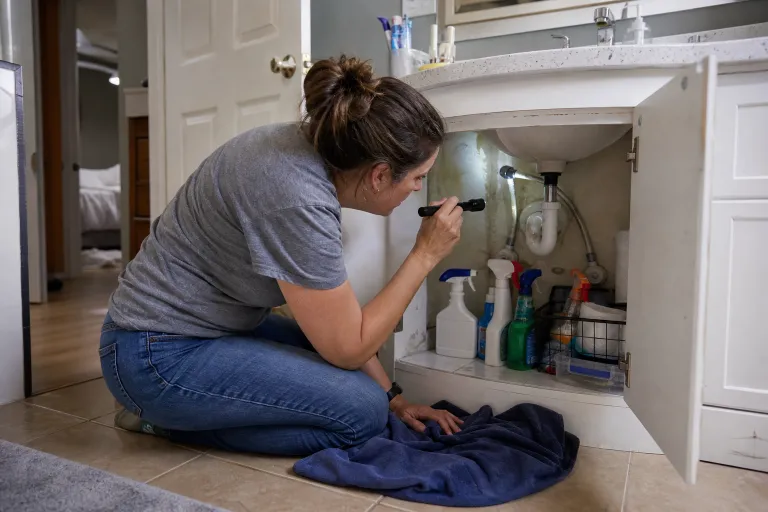
Set aside 15 minutes once a month for a focused walk-through. Move room by room rather than trying to inspect everything at once. Start in kitchens and bathrooms, then check storage areas, the garage, basement, crawl space, attic, and exterior walls. Look under sinks, behind appliances, around plumbing lines, near doors and windows, and around utility openings.
Inspection Areas To Cover
- Under sinks and around plumbing connections
- Behind appliances, cabinets, and large furniture
- Basements, crawl spaces, garages, and storage rooms
- Window screens, door sweeps, weather stripping, and vents
- Attic edges, rooflines, gutters, and utility openings
- Patios, sheds, firewood stacks, and outdoor storage
Watch for live insects, droppings, shed skins, gnaw marks, damaged packages, mud tubes, grease marks, and unusual odors. If you find an unfamiliar sign, take a clear photo before cleaning it up. A photo can make identification easier if you need advice or treatment later.
Remove Food, Water, And Shelter
Everyday routines can accidentally support pest activity. A few crumbs behind the toaster, a dripping pipe under the sink, or a stack of cardboard in a humid garage may be enough to provide food, moisture, or cover. The goal is not perfection. It is reducing the easy opportunities pests notice first.
Practical Changes That Help
- Store cereal, flour, pet food, and dry goods in sealed containers.
- Wipe counters and sweep floors after meals.
- Empty kitchen trash regularly and keep outdoor bins closed.
- Repair dripping faucets, leaking pipes, and slow drains.
- Use a dehumidifier in consistently damp areas when needed.
- Keep firewood, leaves, and yard debris away from exterior walls.
- Reduce cardboard and clutter in closets, garages, and storage spaces.
- Remove uneaten pet food overnight and wash bowls routinely.
For example, a homeowner may repeatedly notice silverfish or small insects near a bathroom without realizing a minor plumbing leak is keeping the cabinet area damp. Fixing that moisture source will not solve every pest concern, but it can remove one reason pests keep returning.
Seal Common Pest Entry Points
Many pests enter through small, overlooked openings around pipes, cables, vents, windows, doors, foundations, and garage doors. Even a well-maintained home can have worn weatherstripping or gaps caused by settling, repairs, and utility work.
Basic Sealing Checklist
- Inspect gaps around plumbing pipes and electrical lines.
- Replace damaged door sweeps and weather stripping.
- Repair torn window, attic, and vent screens.
- Fill small cracks with a suitable exterior-grade sealant.
- Trim branches and dense plants away from walls and roof edges.
- Check the bottom and sides of garage doors for visible gaps.
Larger openings, roof damage, foundation problems, and active wildlife entry points deserve extra care. Do not permanently seal an opening until you know that no animal is trapped inside. A qualified contractor or pest professional can help determine the safest next step.
Build A Seasonal Pest Prevention Routine
Pest pressure changes with the weather. Warm months can increase activity from ants, flies, wasps, and mosquitoes, while cooler conditions may push rodents toward warm indoor shelter. Short seasonal tasks are easier to manage than a major cleanup after a problem has spread.
Suggested Seasonal Schedule
- Spring: Inspect screens, gutters, roof edges, and outdoor storage.
- Summer: Watch for moisture issues, ants, flies, stinging insects, and mosquitoes.
- Fall: Seal exterior gaps and move firewood away from the house.
- Winter: Check attics, garages, basements, and crawl spaces for signs of rodents.
Add a recurring reminder to your phone calendar for a monthly inspection. Consistency matters more than spending hours at once, and a quick check can reveal small repairs before pests turn them into a bigger problem.
Reduce Mosquito Activity Around The Home
Mosquito control begins with water management. Buckets, toys, planters, tires, clogged gutters, birdbaths, pool covers, and low spots in the yard can all hold water after rain. The weekly steps that help prevent mosquito bites include emptying, scrubbing, turning over, covering, or discarding containers that collect water.
Weekly Mosquito Check
- Empty and scrub water-holding containers.
- Turn over unused buckets, toys, planters, and wheelbarrows.
- Keep gutters and downspouts clear.
- Repair holes in window and door screens.
- Use EPA-registered repellent according to the label.
Larvicides may be appropriate for standing water that cannot be drained or removed, such as certain drainage areas. Always follow the product label and avoid using products in drinking water unless the label specifically permits that use.
Use Pest Control Products Carefully
More product does not always mean better control. Using the wrong treatment, spraying an unsuitable area, or mixing products can create unnecessary risks. Identify the pest first, read the entire label, use only the listed amount, and keep products away from children, pets, food, and medications.
Monitoring tools can be helpful, too. Sticky traps, sealed containers, door sweeps, screens, and moisture meters can reveal where activity is happening and whether conditions are improving. Monitoring does not replace treatment for an active infestation, but it helps guide smarter decisions.
Know When To Seek Professional Help
Professional help may be appropriate when pests repeatedly return, signs appear in multiple rooms, visible damage is increasing, or you cannot confidently identify the pest. Prompt attention is especially important for fresh droppings, chewed wires, nesting material, winged insects indoors, stinging insects near living areas, termite signs, or possible bites and health concerns.
Before hiring help, ask what pest was found, what treatment is recommended, what preparation is required, how long safety precautions should remain in place, and whether follow-up monitoring is included. Effective pest prevention is built on small, repeatable habits. A clean, dry, well-sealed home gives pests fewer reasons and fewer ways to settle in.