

Key Takeaways
- Metal recycling conserves resources and reduces the need for destructive mining operations.
- Energy use is dramatically reduced when metals are recycled rather than produced from new ore.
- Lower greenhouse gas emissions from recycling help mitigate climate change.
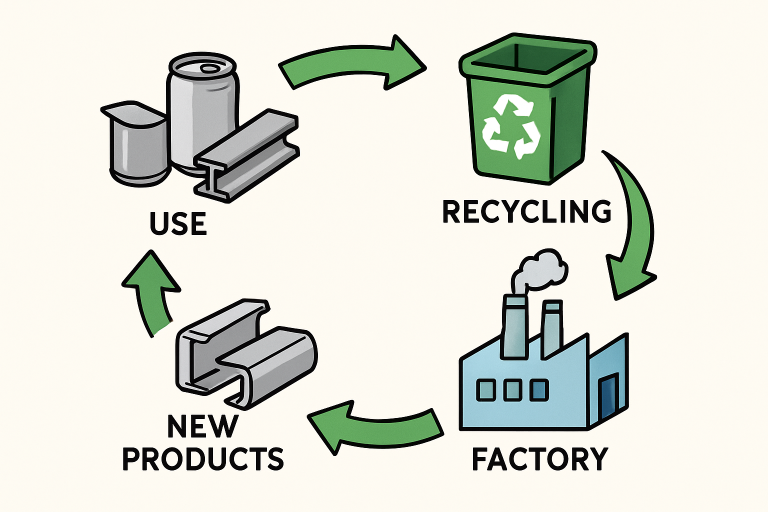
- Recycling supports the circular economy by limiting landfill waste and maximizing material use.
- This industry provides wide-ranging economic benefits, including significant job creation.
Recycling metal plays a vital role in promoting environmental sustainability by reducing the need for new raw materials and minimizing energy consumption. Metals such as aluminum, copper, and steel can be reused multiple times without losing quality, helping conserve natural resources and reduce greenhouse gas emissions. By diverting scrap metal from landfills, communities can also reduce pollution and support cleaner, safer surroundings. Recycling initiatives contribute to a circular economy, where materials are continuously repurposed, creating a more sustainable future.
For residents and businesses looking to responsibly dispose of metal items, services like scrap metal pick-up Sussex County NJ, provide a convenient way to ensure these materials are recycled efficiently. Whether it’s old appliances, construction debris, or other metal waste, using these collection options encourages environmentally conscious practices and helps turn discarded metal into valuable resources, supporting both local sustainability efforts and broader ecological benefits.
Conserving Natural Resources
One of the most immediate benefits of scrap metal recycling is the substantial reduction in the need for virgin mining. Extracting metals like steel, aluminum, and copper from raw ore imposes a massive burden on ecosystems and depletes finite resources. For example, recycling one ton of steel conserves roughly 2,500 pounds of iron ore, 1,400 pounds of coal, and 120 pounds of limestone. This level of conservation protects biodiversity and preserves habitats that mining activities might otherwise disturb.
According to the U.S. Environmental Protection Agency (EPA), increasing metal recycling can dramatically reduce the volume of solid waste entering landfills. This closed-loop process ensures that valuable materials continue to circulate through the economy, lowering the need for new material extraction and lessening environmental impacts.
Energy Efficiency in Metal Production
Producing metals from recycled input uses far less energy than starting from newly mined ore. For example, recycling aluminum consumes only about 5% of the energy required for primary production. These efficiency gains not only cut production costs for manufacturers but also translate directly into lower carbon emissions per ton of metal. Reducing energy consumption across the metal manufacturing sector offers a scalable way to address the world’s increasing energy demands while minimizing environmental harm.
Reducing Greenhouse Gas Emissions
Another major advantage of scrap metal recycling is its ability to decrease global greenhouse gas emissions. Emissions generated by mining and refining fresh metal ores are significantly higher than those produced when using recycled scrap. For instance, producing steel from recycled materials results in up to 80% fewer carbon dioxide emissions than using new raw materials. This reduction plays a meaningful role in combating climate change and helps countries advance toward international environmental commitments.
Supporting the Circular Economy
Scrap metal recycling is at the heart of the circular economy model, which emphasizes keeping materials in use for as long as possible. Unlike many other materials, metals can be recycled endlessly without losing their fundamental properties. This capacity makes them ideal for a closed-loop system that minimizes waste and keeps resources productive throughout their life cycle. By integrating more recycled metal into production, industries can maintain consistent material quality while dramatically reducing waste streams that might otherwise overwhelm landfills and the environment.
Economic Benefits and Job Creation
The positive economic effects of the metal recycling sector are substantial. In addition to helping local economies thrive by supporting over 500,000 jobs in the United States, the industry generates billions of dollars in economic activity through collection, transportation, processing, and remanufacturing. The proliferation of roles, from entry-level positions to advanced technical specialists, illustrates the diverse opportunities created by this expanding industry. At the community level, the presence of recycling centers supports local development while offering stable jobs and career paths.
Technological Advancements in Recycling
Continuous technological innovation has radically enhanced scrap metal recycling processes. Modern recycling facilities use advanced sorting and material identification techniques, including artificial intelligence and robotic automation, to increase efficiency and ensure high-purity outputs. These advancements make it easier to meet strict industry standards and allow recycled metals to be used confidently in the manufacture of new goods, closing the loop from waste to productive resource.
Challenges and Future Outlook
Although the substantial benefits of metal recycling are clear, the industry continues to confront persistent challenges. These barriers include fluctuating global commodity prices, contamination in recycling streams, and underdeveloped collection and sorting infrastructure in some regions. Overcoming these obstacles will require collaboration among policymakers, businesses, local governments, and consumers. Expanding public awareness, investing in advanced recycling technologies, and implementing supportive policy frameworks will help maximize recycling rates and promote sustainable outcomes going forward.
Conclusion
Scrap metal recycling plays a crucial role in advancing environmental sustainability, conserving resources, and reducing energy consumption and greenhouse gas emissions. Keeping metals in continuous circulation supports the circular economy, reduces landfill waste, and offers meaningful economic benefits and job opportunities. Continued investment in recycling technologies and infrastructure, alongside public engagement, will strengthen these positive impacts. Embracing metal recycling at both individual and community levels is a practical, effective step toward building a more sustainable and resilient future.