
Key Takeaways
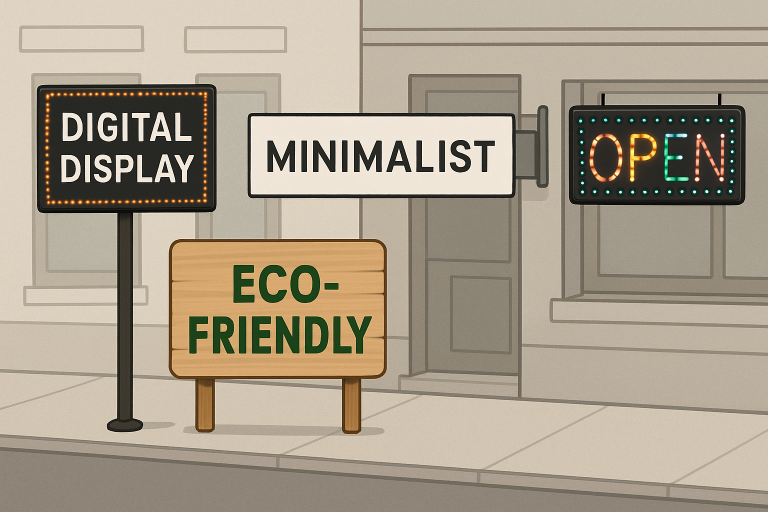
- Digital and interactive signage improves customer connection and content flexibility.
- Sustainable materials demonstrate environmental stewardship and attract eco-conscious consumers.
- Minimalist aesthetics ensure better readability and modern appeal.
- LED technology delivers cost savings and vibrant visuals.
- Customization and personalization reinforce branding in a memorable way.
Effective signage plays a vital role in setting businesses apart in today’s fast-paced and crowded markets. As companies seek new strategies to capture consumer attention and reinforce branding, the importance of staying up to date with signage trends has never been greater. Contemporary signage combines innovation, design, and technology to help brands communicate their values and expertise. Whether you’re updating an existing sign or planning a new location in a competitive city like Vancouver, choosing the right company signs Vancouver WA can make a meaningful difference in visibility and customer experience.
Modern consumers are exposed to a vast amount of visual information every day. Interactive, eco-friendly, and eye-catching signage plays a vital role in shaping perception and encouraging engagement. Key trends such as digital displays, innovative materials, and minimalist designs are essential for businesses to remain competitive. Identifying which strategies resonate helps maximize the value of signage and branding. Contemporary signage should embody company values and adapt to evolving consumer behaviors and market demands. Embracing innovation offers a competitive advantage by increasing both appeal and efficiency. Incorporating technology, sustainable materials, and sleek design not only boosts engagement and supports environmental goals but also reinforces brand identity, which is vital for success both locally and globally.
Digital and Interactive Signage
Digital signage is transforming how businesses interact with their audience. From programmable LED displays to touchscreen kiosks, these solutions enable brands to deliver timely, dynamic, and context-specific content. Interactive elements, such as wayfinding maps, product selectors, or gesture-based technology, improve user experience by making signage more useful and memorable. Companies across retail, hospitality, healthcare, and entertainment industries have adopted digital options to foster active engagement and collect audience insights, which can further inform marketing tactics.
Sustainable and Eco-Friendly Materials
There is a growing consumer expectation that businesses reduce their environmental impact. This sentiment has driven the use of recycled plastics, biodegradable substrates, reclaimed wood, and responsibly sourced metals in signage production. Beyond materials, features like low-power LED lighting and non-toxic inks help further these green efforts. Companies adopting eco-friendly signage not only decrease their carbon footprint but can also bolster their reputation among environmentally minded shoppers. Sustainable signage is as much about brand values as it is about operational practices, offering long-term cost and reputational benefits.
Minimalist and Clean Designs
Clarity and simplicity have become guiding principles in modern signage. Minimalist designs, which use high-contrast color schemes, streamlined fonts, and ample negative space, allow essential information to stand out while presenting a polished, contemporary brand image. These approaches improve readability from a distance and capture consumer attention amidst visual clutter. Minimalism not only aligns with broader design trends across websites and branding but also improves accessibility for all audiences.
LED Technology Integration
LED technology is considered the gold standard for vibrant and cost-effective signage illumination. These lights provide bright, uniform illumination that is visible throughout the day and under various weather conditions. Their low energy usage and extended lifespan help businesses save on operating expenses and support sustainability strategies. Beyond basic lighting, programmable LED displays enable creative animations, real-time updates, and custom effects, making signage eye-catching and memorable.
Personalized and Customizable Signage
Customization is key for brands looking to create distinctive experiences and foster a sense of connection with their customers. Advances in fabrication allow for unique shapes, adjustable sizing, and modular systems that reflect brand personality. Variable data printing enables businesses to target messaging to local audiences or specific events, giving each sign a highly tailored feel. Personalized signage strengthens your brand identity and ensures your business stands out in busy commercial settings.
Retro and Vintage Aesthetics
Nostalgia remains a powerful marketing tool, and retro-inspired signage taps into this sentiment to create emotionally engaging brand experiences. Vintage fonts, neon lighting, and classic color palettes are being revived to evoke a sense of familiarity and comfort. Whether referencing the art deco era, mid-century minimalism, or bold 1980s pop, these styles appeal to multiple generations by blending the charm of the past with the innovation of present-day manufacturing techniques.
Three-Dimensional Signage
Three-dimensional (3D) signage delivers depth and movement, drawing the eye in ways that flat signs cannot. Raised lettering, sculptural elements, and multi-layered installations add visual interest and encourage interaction. 3D signs are especially effective at creating photogenic moments for social sharing, amplifying visibility both in person and online. Their tactile nature helps businesses make a strong, memorable first impression at entrances, trade shows, or public spaces.
Integration with Mobile Devices
Mobile device integration is simplifying the transition from physical space to digital action. Features like QR codes, NFC chips, and Bluetooth beacons enable customers to access real-time offers, menus, or event schedules with their phones. These technologies make signage adaptable and future-ready, supporting seamless omnichannel experiences that drive engagement and conversions. The ongoing development of mobile-linked signage empowers businesses to merge offline presence with digital platforms for holistic storytelling and interaction.
Conclusion
Embracing these modern signage trends ensures your business is well-positioned to attract attention, maintain brand relevance, and deepen customer engagement. Adapting to these shifts demonstrates a commitment to quality, sustainability, and innovation, qualities that set successful businesses apart in any market.