
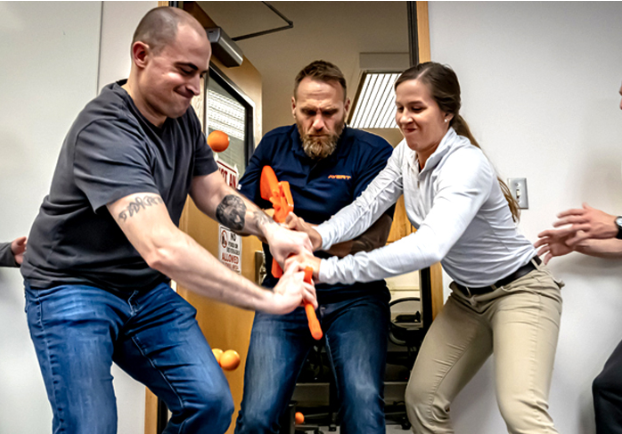
In today’s world, safety in schools and workplaces has become a top priority. The risk of violent incidents, though rare, is serious and can have devastating consequences. Active assailant situations, where an individual intends to harm others using weapons, require immediate and decisive action. Active assailant training equips students, staff, and employees with the knowledge and skills to respond effectively, reducing potential harm and improving overall safety.
Understanding Active Assailant Training
Active assailant training is a specialized program designed to prepare individuals to respond quickly and safely during violent incidents. Unlike general safety drills, this training focuses on real-life scenarios where an armed attacker poses a threat to people in schools, offices, or public spaces. The training helps participants understand the warning signs of potential threats, learn situational awareness, and practice strategies to protect themselves and others.
How Training Enhances Preparedness
One of the primary goals of active assailant training is to increase preparedness. Many people freeze or panic in dangerous situations, which can worsen outcomes. Through regular drills and scenario-based exercises, participants learn how to stay calm, make informed decisions, and respond effectively. Schools and workplaces that implement this training create a culture of readiness, ensuring that everyone knows what steps to take if an incident occurs.
Life-Saving Skills for Students and Employees
Active assailant training provides practical, life-saving skills. Participants are taught techniques such as evacuation procedures, securing rooms, and identifying safe areas within a building. Training often includes communication strategies, like how to contact law enforcement and report incidents efficiently. By practicing these skills in a controlled environment, students and employees build confidence and muscle memory, which can be critical in high-stress situations.
Reducing Panic and Confusion
During an active assailant event, confusion and panic can increase the risk of injury. Active assailant training helps reduce fear by familiarizing individuals with potential scenarios and responses. Knowing what to do and where to go minimizes chaos and allows for more orderly evacuations or lockdowns. When everyone is aware of their role and responsibilities, the overall response becomes faster and more organized, improving the chances of survival for all involved.
Supporting Mental and Emotional Readiness
Active assailant training also addresses the mental and emotional aspects of emergency preparedness. Facing the possibility of violence can be overwhelming, and individuals may struggle with fear or anxiety. Training provides guidance on managing stress and maintaining focus during critical moments. Schools and workplaces that offer this training show a commitment to both physical safety and emotional well-being, fostering a safer and more supportive environment.
Benefits for Organizations and Communities
Implementing active assailant training benefits not only the individuals who participate but also the wider organization and community. Well-trained staff can assist others, coordinate with law enforcement, and potentially prevent further harm. Additionally, organizations demonstrate a proactive approach to safety, which can reassure parents, students, and employees. Communities where schools and workplaces practice active assailant training are generally better prepared to respond to emergencies, promoting resilience and security.
Conclusion
Active assailant training is a vital component of modern safety planning for schools and workplaces. By teaching practical skills, enhancing preparedness, and supporting mental readiness, this training equips individuals to respond effectively during violent incidents. Organizations that invest in active assailant training not only protect lives but also foster a culture of awareness, responsibility, and resilience. With ongoing practice and commitment, schools and workplaces can significantly reduce the risks associated with active assailant threats and create safer environments for everyone.