

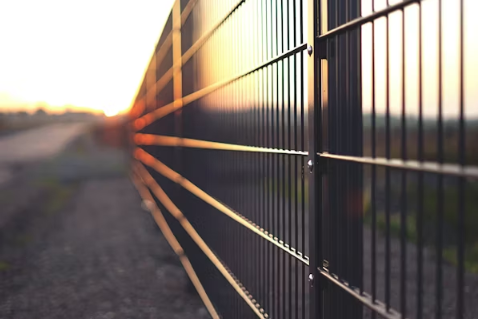
Fencing is more than a structural addition to a property—it is a strategic decision that affects security, privacy, aesthetics, and long-term value. Choosing the right fencing solution requires careful evaluation of purpose, materials, and installation methods. A well-planned fence not only defines boundaries but also enhances functionality and protects what matters most.
Clarify the Purpose of Your Fence
Before selecting any material or design, it is essential to determine the primary purpose of the fence. Whether the goal is security, privacy, safety for children or pets, or visual enhancement, the intended function will guide every subsequent decision. A security-focused fence, for example, will differ significantly from one designed primarily for decorative appeal.
Understand Local Regulations and Boundaries
Property lines and local regulations must be clearly understood before installation begins. Planning permissions, height restrictions, and boundary agreements vary depending on location. Ensuring compliance from the outset prevents disputes and costly modifications later. Accurate measurements and clear documentation are fundamental to a successful fencing project.
Choose Materials Based on Durability and Maintenance
Different materials offer varying levels of strength, longevity, and maintenance requirements. Wood provides a classic appearance but requires regular upkeep, while metal options offer durability with minimal maintenance. Selecting the right material involves balancing appearance with practicality, ensuring that the fence remains effective and visually appropriate over time.
Consider Chain Link Fences for Practical Security
Chain link fences options are widely recognised for their durability, affordability, and low maintenance requirements. They provide clear boundary definition while maintaining visibility, making them suitable for both residential and semi-commercial properties.
Chain link fencing is particularly effective for securing larger areas without creating a closed-off or restrictive appearance. Its resilience against weather and wear makes it a reliable long-term solution.
Evaluate Privacy and Visibility Needs
The level of privacy required will influence the choice of fencing style. Solid panel fences offer maximum seclusion, while more open designs maintain visibility and airflow. The decision should reflect both personal preference and the surrounding environment, ensuring that the fence complements rather than disrupts the property’s overall character.
Invest in Professional Commercial Fence Installation
For larger properties or more complex requirements, Commercial fence installation provides a higher standard of precision and durability. Professional installation ensures that the fence is structurally sound, properly aligned, and compliant with regulations.
It also reduces the risk of future issues such as instability or premature wear. Engaging experienced installers is particularly important when security and longevity are priorities.
Balance Aesthetics with Functionality
A fence should enhance the visual appeal of a property while fulfilling its intended role. The design, colour, and material should align with the overall style of the home or building. Achieving this balance ensures that the fence contributes positively to the property’s appearance without compromising its practical benefits.
Plan for Long-Term Maintenance
Every fencing solution requires some level of maintenance. Understanding these requirements in advance allows for better planning and cost management. Regular inspections, cleaning, and minor repairs help extend the lifespan of the fence and maintain its effectiveness over time.